
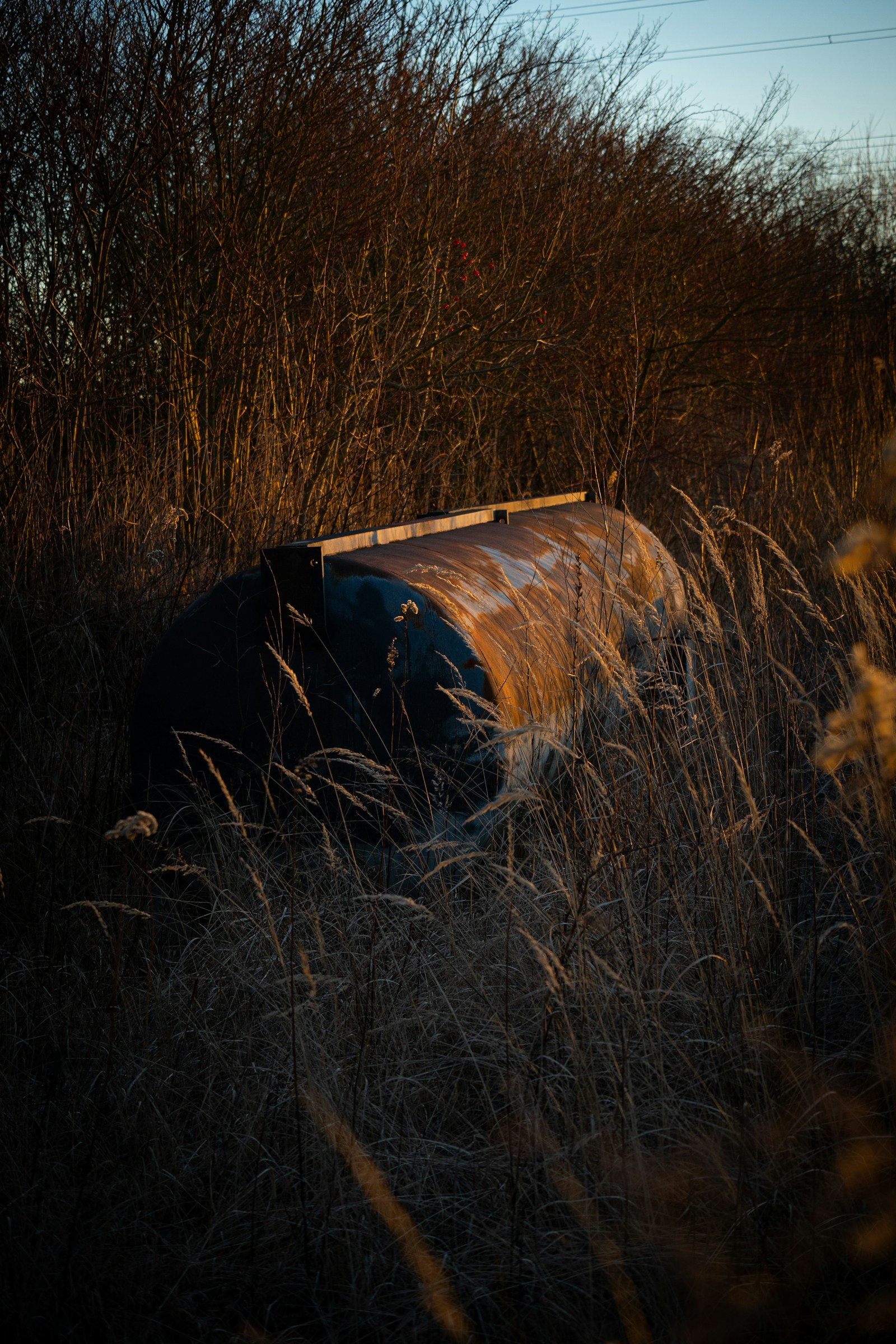
If you're buying or selling property in British Columbia, oil storage tanks are an important issue that can significantly impact a home's value, financing, and insurability.
Prior to the latter half of the 20th century when natural gas and electric systems became the dominant sources of residential heating in BC, homes were kept cozy with oil furnace systems, and those systems required reserves of oil stored in large tanks. Although the prevalence of oil-fuelled systems has waned, many older homes on the West Coast, especially in Victoria and Vancouver, still have active or inert tanks on their properties, and old or improperly cared for tanks can create complications during real estate transactions.
Understanding how oil tanks affect real estate in BC can help you avoid costly surprises and make informed decisions when buying and selling property.
What Is an Oil Storage Tank?
An oil storage tank is a container used to hold heating oil for residential systems. These tanks can be:
Above-ground (indoor or outdoor)
Underground (buried on the property)
Underground tanks are more common in older homes and tend to carry higher risks, particularly if they have not been properly removed or decommissioned.
Why Oil Tanks Matter in BC Real Estate
Oil storage tanks can impact a real estate transaction in several key ways:
1. Environmental Risk
If a tank leaks, it can contaminate soil and groundwater. Cleanup costs in British Columbia can range from $50,000 to over $200,000, depending on the severity.
Because of this, buyers, lenders, and insurers treat oil tanks as a major environmental concern.
2. Financing Challenges
Many lenders in BC may hesitate to approve a mortgage if a property has:
An active oil tank
An abandoned underground tank
No documentation confirming proper removal of old tanks on the property
In some cases, financing may be denied entirely until the issue is resolved.
3. Insurance Limitations
Home insurance providers often:
Refuse coverage for homes with oil tanks
Require inspection reports or documented proof of tank removal
Exclude coverage for environmental damage caused by leaks
Without home insurance, lenders will not grant a mortgage which can delay transactions and reduce your potential buyer pool.
4. Property Value Impact
Homes with oil tanks—especially undocumented or underground ones—may:
Sell for less
Take longer to sell
Require price reductions or remediation before closing
Oil Tank Removal in British Columbia
Proper oil tank removal is essential for both buyers and sellers.
What’s Involved:
Locating the tank
Pumping out any remaining oil
Excavation and removal of the tank
Testing the surrounding soil for contamination
Environmental reporting
Typical Costs:
Above-ground tank removal: $1,500 – $3,000
Underground tank removal: $3,000 – $10,000+
Contaminated soil remediation: $50,000+ (if required)
Costs vary depending on access, tank size, and environmental impact.
What Is an Oil Tank Removal Certificate?
After removing a tank, ensure that you retain the following documents:
Contractor invoice
Photos of removal
Soil testing results
Clearance or environmental report
This documentation is often referred to as an oil tank removal certificate, and is frequently requested during property sales. If the seller no longer has a copy of the document, copies can most often be found at the local fire department or will sometimes be retained by the company that removed the tank.
Tips for Home Buyers in BC
If you're purchasing property in British Columbia:
Ask if the home has ever had oil heating
Request documentation for tank removal
Include an oil tank clause in your offer
Consider hiring a professional oil tank scan
Negotiate a discount or withhold sale proceeds to account for a potential oil tank
These steps are essential when buying a house with an oil tank in BC.
Tips for Home Sellers in BC
If you're selling a home:
Contact your local fire hall and request copies of any oil tank removal certificates on file
Proactively scan for underground tanks
Remove any existing tanks before listing
Organize all tank-removal documentation and have it available to potential buyers
Be transparent with buyers
Taking these steps can help avoid delays and protect your sale price.
The Bottom Line
Oil storage tanks remain one of the most overlooked risks in British Columbia real estate.
Whether you’re buying or selling in Victoria, Vancouver, or elsewhere in BC:
Always verify whether a tank exists
Ensure proper removal and documentation
Understand the financial and legal risks
Addressing oil tank issues early can save tens of thousands of dollars—and prevent deals from falling apart.
Keywords
oil storage tanks BC
oil tank removal BC
oil tank real estate British Columbia
underground oil tank removal Victoria BC
oil tank inspection Vancouver BC
buying a house with oil tank BC
Secondary Keywords
oil tank scan BC
oil tank removal cost BC
environmental contamination real estate BC
home inspection oil tank BC
selling a house with oil tank BC
buried oil tank risks Canada
Comments:
Post Your Comment: